
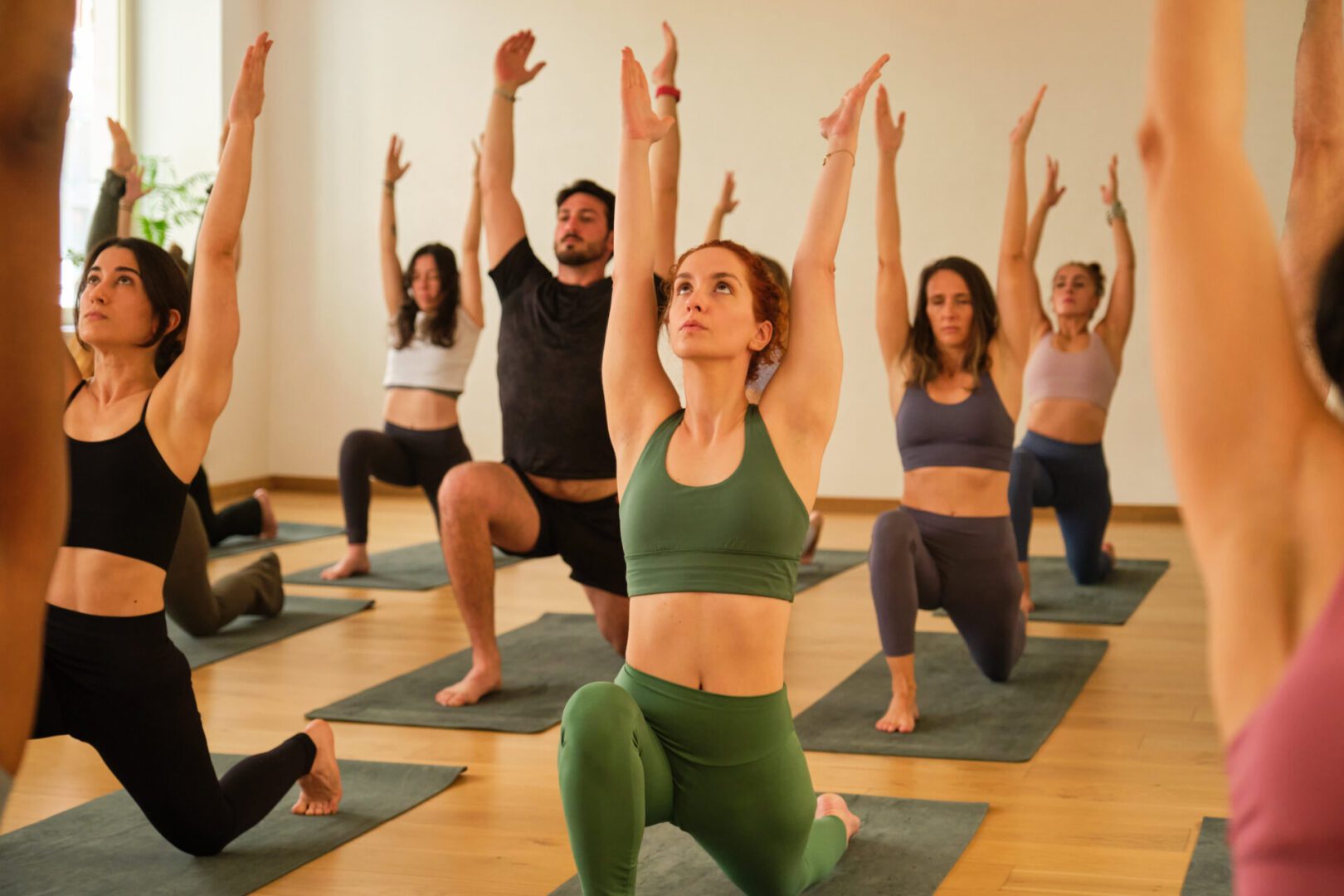
The Ultimate Guide to Fitness
Fitness is more than just a buzzword or a trendy hashtag; it’s a lifestyle that shapes your physical, mental, and emotional well-being. Whether you’re a seasoned athlete or just starting your fitness journey, understanding the core principles of fitness helps you stay motivated, build healthy habits, and achieve lasting results.
What is Fitness?
Fitness can be defined as the ability to perform daily activities with vigor and without undue fatigue, while maintaining health and vitality. It encompasses several components including cardiovascular endurance, muscular strength, flexibility, and body composition. True fitness is holistic — it supports a healthy heart, strong muscles, balanced hormones, and a resilient mind.
Why Fitness Matters
Regular physical activity profoundly impacts your body and mind. It reduces the risk of chronic diseases such as heart disease, diabetes, and certain cancers. Fitness strengthens your immune system, supports weight management, and improves sleep quality. Mentally, it combats stress and anxiety by stimulating the release of endorphins, often called “feel-good hormones.” Staying fit can enhance your confidence, productivity, and overall quality of life.
Key Components of an Effective Fitness Routine
Building a well-rounded fitness routine involves addressing multiple fitness pillars. Here’s a breakdown:
Cardiovascular Endurance: Activities like running, cycling, and swimming improve heart and lung capacity.
Muscular Strength: Resistance training with weights or bodyweight exercises builds muscle and increases metabolism.
Flexibility: Stretching, yoga, or mobility exercises enhance joint range of motion and prevent injuries.
Balance and Coordination: Training these improves posture, reduces fall risk, and enhances athletic performance.
Recovery: Proper rest and sleep let your body repair itself, preventing burnout and injury.
Getting Started: Tips for Beginners
If you’re new to fitness, it’s important to start slowly and set realistic goals. Here are some strategies:
Set Clear, Measurable Goals: Identify what motivates you—weight loss, strength gain, endurance, or wellness—and track your progress.
Find Activities You Enjoy: From hiking to dancing or group fitness classes, enjoyment boosts consistency.
Start With Short Sessions: Even 10-15 minutes of moderate exercise can make a difference. Gradually increase duration and intensity.
Focus on Form: Proper technique prevents injury and maximizes effectiveness. Consider working with a trainer or using credible online resources.
Incorporate Variety: Mixing cardio, strength, and flexibility exercises keeps workouts interesting and well-balanced.
Nutrition: The Other Half of Fitness
Fitness is inseparable from nutrition. Fueling your body with the right nutrients supports energy levels, aids recovery, and promotes muscle growth. Key nutrition principles include:
Balanced Macronutrients: Carbohydrates for energy, protein for muscle repair, and healthy fats for hormone regulation.
Hydration: Drink plenty of water throughout the day, especially before and after workouts.
Whole Foods: Focus on nutrient-dense foods like vegetables, fruits, whole grains, lean proteins, and healthy fats.
Timing: Eating a light snack or meal with carbs and protein before and after exercise boosts performance and recovery.
Staying Motivated and Overcoming Challenges
Staying consistent can be tough, but there are ways to keep your fitness journey on track:
Track Your Progress: Use apps, journals, or photos to see your improvements over time.
Find a Workout Buddy: Support and accountability make workouts more enjoyable and consistent.
Celebrate Small Wins: Reward yourself for sticking to your plan or reaching milestones.
Mix It Up: Try new workouts or fitness challenges to avoid burnout.
Listen to Your Body: Rest when needed and adjust your routine to prevent injury.
The Role of Mindset in Fitness
Your mindset is one of the most powerful tools in fitness. Approaching workouts as a positive, empowering experience fosters long-term success. Embrace setbacks as learning opportunities, and focus on progress rather than perfection. Visualization, goal-setting, and mindfulness practices can enhance mental resilience and keep you motivated.
Conclusion
Fitness is a lifelong journey of discovery, strength, and well-being. By combining regular physical activity, balanced nutrition, and a positive mindset, you can transform your health and lifestyle. Remember, the goal isn’t perfection—it’s progress. Start small, stay consistent, and celebrate every step toward becoming your best self. Power your fitness journey with quality gear.